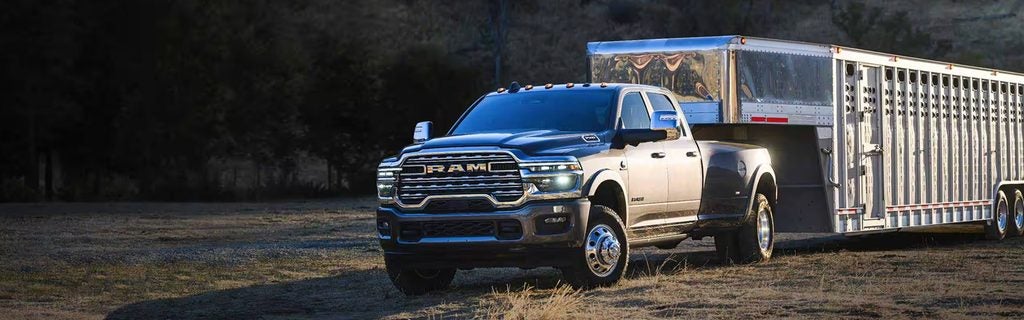





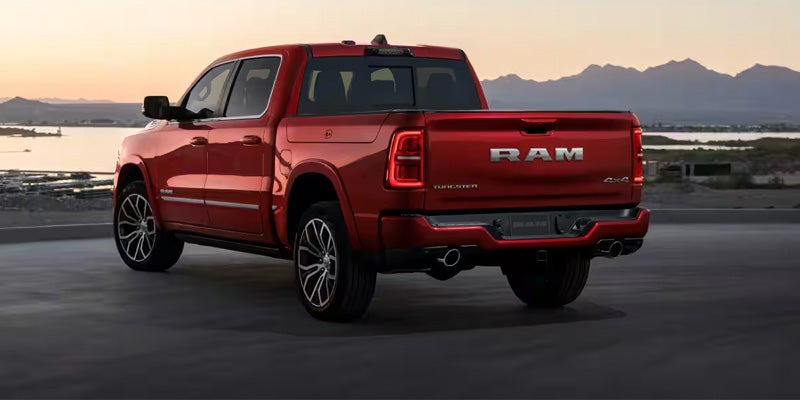
Ram 1500 Cab and Bed Sizes: What You Need to Know Before You Buy If you're shopping for a new truck, understanding Ram 1500 cab and bed sizes is one of the most important steps in finding the right fit for your lifestyle. Whether you're hauling gear for work, loading up for a weekend adventure, or just need a dependable daily driver, the configuration you choose can make a big difference. Here's a straightforward breakdown to help you make a confident decision. Why Cab and Bed Size Matters on the Ram 1500 Choosing the right Ram 1500 cab and bed sizes isn't just about personal preference - it's about matching the truck to how you actually use it. A larger cab gives you more passenger room, while a longer bed increases cargo capacity. Balancing both is key, and the Ram 1500 gives you several ways to do that. The Ram 1500 has earned recognition as America's most dependable full-size truck, according to the J.D. Power 2026 U.S. Vehicle Dependability Study, so you're starting with a strong foundation no matter which configuration you choose. Ram 1500 Cab Options Explained The Ram 1500 is available in two primary cab styles: the Quad Cab and the Crew Cab. Understanding the Ram crew cab vs quad cab difference is one of the first decisions you'll need to make. The Quad Cab features rear-hinged back doors that open wide for access to the rear seat. It offers a rear seat that's functional for occasional passengers, and its shorter overall length can be easier to maneuver and park in tighter spaces. The Crew Cab is the more popular choice for families and those who regularly carry passengers. It features four full-size doors and a genuinely roomy rear seat with noticeably more legroom than the Quad Cab. If you're regularly transporting adults or need that extra space day to day, the Crew Cab is worth the upgrade. Bed Length Options on the Ram 1500 Once you've settled on a cab style, you'll need to consider bed length. The Ram 1500 offers a standard 5-foot-7-inch bed and a longer 6-foot-4-inch bed, depending on your cab and trim combination. A third option - a 6-foot-4-inch bed - pairs well with the Quad Cab for those who want more cargo room without going full Crew Cab. The shorter bed is ideal for drivers who prioritize maneuverability and don't regularly haul large loads. The longer bed opens up more possibilities for contractors, outdoor enthusiasts, and anyone who moves bulky items on a regular basis. Think about what you'll be loading most often before committing to a bed length. Matching Your Configuration to Your Needs The Ram crew cab vs quad cab debate really comes down to how you plan to use the truck. If passengers are a priority, go with the Crew Cab. If cargo is your main concern, consider pairing a shorter cab with the longest available bed. There's no single right answer - the Ram 1500 lineup is designed to accommodate a wide range of real-world needs. It also helps to think long-term. A configuration that works for you today should still work a few years down the road, whether your family grows, your work demands shift, or your hobbies evolve. Shop Ram 1500 Cab and Bed Sizes in Marysville, OH Now that you have a clearer picture of Ram 1500 cab and bed sizes, the next step is seeing these configurations in person. Drivers in Marysville, OH can explore the full Ram 1500 lineup and find a configuration that fits their everyday needs. Visit Coughlin Marysville CDJR to browse available inventory and connect with a team member who can walk you through your options.
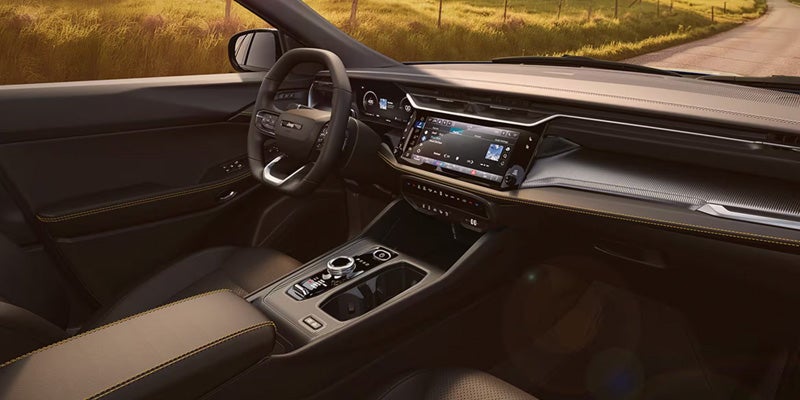
Jeep 4x4 vs AWD: What's the Difference?
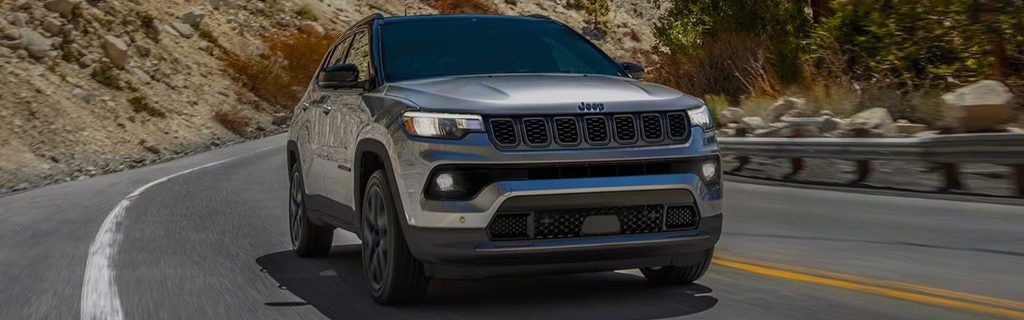
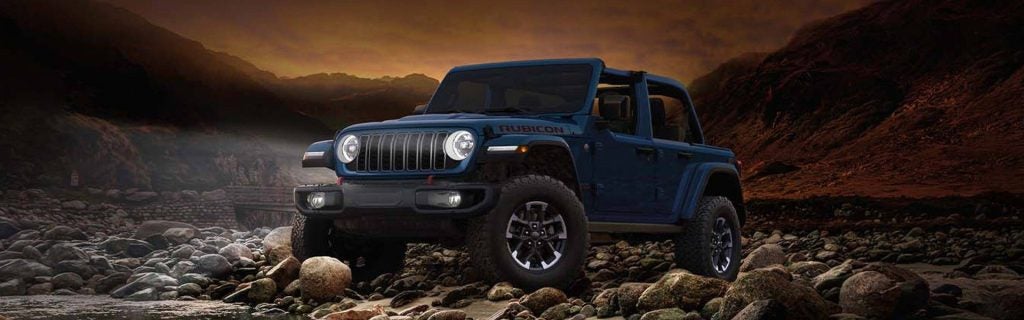
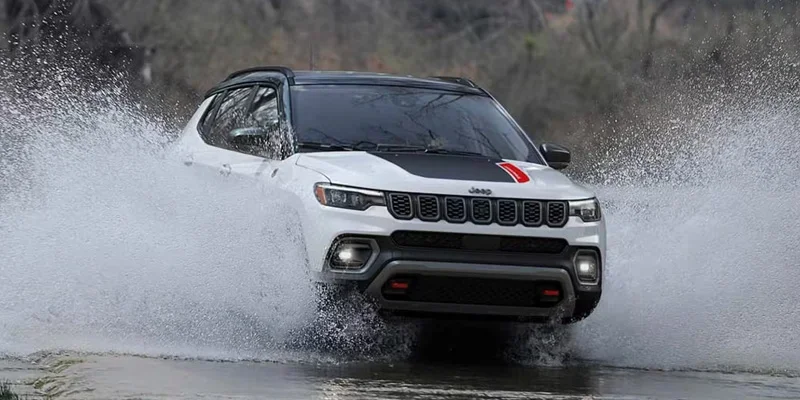
Jeep 4x4 vs AWD: Which Drivetrain Is Right for You? Understanding the Basics of Jeep 4x4 vs AWD When shoppers start researching a new Jeep, one of the first questions that comes up is the difference between 4x4 and all-wheel drive. These two systems both send power to all four wheels, but they work in very different ways - and understanding that difference can help you choose the right vehicle for your lifestyle. All-wheel drive is designed to operate automatically. The system monitors road conditions and distributes power between the front and rear axles as needed, without any input from the driver. It is a seamless, hands-off experience that works well on slippery pavement, light snow, and wet roads. A 4x4 system, on the other hand, is built for more demanding situations. Jeep 4x4 setups typically offer selectable modes, including a two-wheel drive setting for everyday use, a four-wheel drive high range for moderate off-road terrain, and a four-wheel drive low range that delivers maximum torque for serious trail work. How Jeep 4x4 Systems Perform Off-Road Jeep 4x4 capability goes well beyond what a standard AWD system can offer. Models like the Wrangler and Gladiator come equipped with mechanical locking differentials, skid plates, and significant ground clearance - features that make them genuinely capable off-road vehicles, not just capable on slick roads. The low-range transfer case found in Jeep 4x4 systems multiplies torque at the wheels, allowing drivers to crawl over rocks, navigate steep descents, and push through deep mud at controlled speeds. This is the kind of capability that AWD simply cannot replicate in extreme conditions. For drivers in Marysville, OH who plan to explore trails, haul a trailer through uneven terrain, or take on seasonal challenges, a 4x4 Jeep provides a meaningful advantage over an AWD setup. Where AWD Shines in Everyday Driving AWD systems are not without their strengths. For drivers who spend most of their time on paved roads, AWD offers a confident, connected feel without requiring any additional management from behind the wheel. It responds instantly when traction is lost and then steps back when conditions improve. On Jeep models designed around everyday versatility, AWD keeps the driving experience smooth and intuitive. It is a great fit for commuters, families, and anyone who wants added confidence during a winter driving drivetrain comparison without the complexity of a manually operated system. AWD is also generally more fuel-efficient in highway conditions compared to running a part-time 4x4 in four-wheel drive mode, which is worth considering if your daily route involves a lot of pavement. Matching the Right System to Your Driving Habits Choosing between Jeep 4x4 vs AWD comes down to how and where you drive most often. If your adventures stay close to paved roads or mild gravel paths, AWD delivers everything you need. If you are the type who heads off the beaten path on weekends or needs serious capability in demanding weather, a 4x4 system is worth the investment. A winter driving drivetrain comparison also matters for buyers in colder climates. Both systems improve traction in snow and ice, but 4x4 low range gives drivers a meaningful edge in heavy accumulation or unplowed backroads. Visit Coughlin Marysville CDJR to Explore Your Options No matter where you land in the Jeep 4x4 vs AWD debate, the best way to understand the difference is to experience it firsthand. The team at Coughlin Marysville CDJR is ready to walk you through the lineup and help you find the right Jeep for your needs. Stop by and see what is waiting for you in Marysville, OH.