




Coughlin Marysville Chrysler Jeep Dodge RAM

Blog / Auto Repair in Marysville, OH

Blog

All Auto Repair in Marysville, OH Jeep Dealer in Marysville, OH Chrysler Jeep Dodge Ram Dealer in Marysville, OH Things to Do in Marysville, OH 2024 Chrysler Jeep Dodge Ram Models in Marysville, OH Ram Dealer Marysville, OH CDJR Dealer Columbus OH 2025 Jeep Models Chrysler Dealer in Marysville, OH RAM Dealer in Marysville, OH RAM Trucks Dealer in Marysville, OH Trims and Features Coughlin Marysville CJDR Service & Maintenance Dodge Dealer Marysville, OH Work Trucks and Vans 2026 Jeep Models 2025 RAM Models 2026 RAM Models Chrysler Dodge Jeep RAM Dealer Marysville OH Off-Road Jeeps Vehicle Financing Marysville, OH 2025 Chrysler Models 2026 Jeep Compass MOPAR Parts 2025 Wagoneer 2026 RAM 1500 2026 RAM Truck Ram Trucks Dealer in Marysville, OH\ 2025 Dodge Models 2026 Jeep Compass vs. 2026 Jeep Cherokee 2026 Jeep Grand Cherokee vs. 2026 Ford Explorer 2026 Jeep Wrangler 2026 RAM ProMaster AgPack Benefits Certified Agriculture Dealership Marysville OH Chrysler Voyager Dodge Charger Daytona EV Dodge Engine Dodge SRT Equity Car Loan Farmer Trucks Farmer Vehicle Farming Trucks Jeep Gladiator Jeep Trim Levels Jeep Wrangler Jeep Wrangler 4xe Marysville, OH Community RAM 1500 RAM 1500 vs 2500 vs 3500 Ram 2500 vs Ram 3500 RAM 2500 vs. RAM 3500 RAM eTorque Mild Hybrid System Used Chrysler Marysville OH Used Dodge Marysville OH Used Jeep Marysville OH Used RAM Marysville OH Wagoneer S
Jeep Maintenance Marysville OH

Essential Spring Jeep Maintenance Tips in Marysville, OH

Spring Jeep maintenance in Marysville, OH, is essential for keeping your vehicle ready for adventure and ensuring its longevity. By focusing on key areas like tires, fluids, battery health, and undercarriage care, you can enjoy worry-free drives throughout the season. Trust the experts at Coughlin Marysville CDJR to provide top-notch service tailored to your Jeep’s needs. Don’t wait—get your Jeep spring-ready today! Key Areas to Focus on During Spring Maintenance Spring is the perfect time to give your Jeep the attention it deserves after a long winter. Whether you’re driving a rugged Wrangler or a versatile Grand Cherokee, proper spring Jeep maintenance in Marysville, OH, ensures your vehicle is ready for warmer weather and off-road adventures. Winter conditions can take a toll on your Jeep, from road salt buildup to worn tires, making seasonal upkeep essential for safety and performance. more Inspect and Replace Tires Your Jeep’s tires are its foundation, especially for off-road enthusiasts. Winter driving can lead to uneven wear, so inspect your tires for tread depth and damage. Consider rotating them or replacing them if necessary. Proper tire maintenance not only improves fuel efficiency but also ensures optimal traction during spring adventures in and around Marysville, OH. Check Fluids and Filters Spring is an excellent time to check your Jeep’s fluids, including engine oil, brake fluid, coolant, and transmission fluid. Winter weather can cause these fluids to degrade or thicken, impacting performance. Don’t forget to replace air and cabin filters to ensure clean airflow inside and out. Regular fluid checks are a cornerstone of effective spring Jeep maintenance in Marysville, OH. Battery Health and Electrical Systems Cold temperatures can strain your Jeep’s battery, so testing its charge is crucial as spring arrives. Inspect the battery terminals for corrosion and ensure all electrical components, like headlights and windshield wipers, are functioning correctly. A healthy battery is vital for reliable starts and smooth operation during springtime drives. Undercarriage Cleaning and Inspection Winter road salt can accumulate on your Jeep’s undercarriage, leading to rust and corrosion if left unchecked. A thorough cleaning will remove salt deposits and protect your vehicle’s frame. While you’re at it, inspect the undercarriage for any damage sustained during winter driving. This step is particularly important for those who frequently explore rugged terrain around Marysville, OH. Schedule Jeep Service Today At Coughlin Marysville CDJR, we’re here to help you with all your spring Jeep maintenance needs in Marysville, OH. Our expert technicians understand the unique demands of Jeep vehicles and are ready to ensure yours is in peak condition for the season ahead. Visit us today or schedule your service appointment online at Coughlin Marysville CDJR.
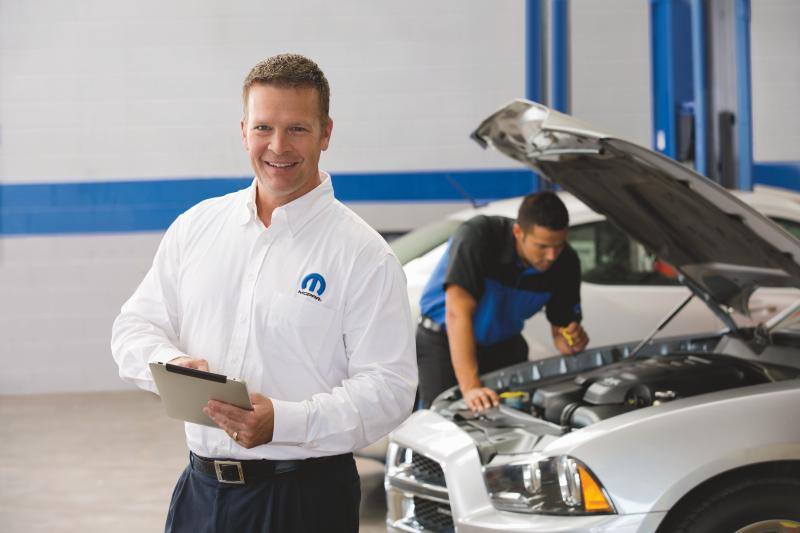
MOPAR Genuine Parts

Genuine MOPAR Parts: Quality for Your CDJR Vehicle

If you're looking for MOPAR genuine parts, then your local dealership is the best place to go for them. The dealership can supply you with and fit genuine OEM parts for your Chrysler, Dodge, Jeep, or RAM vehicle to keep it working like it did on day one. What Are MOPAR Genuine Parts? Genuine MOPAR parts are car components that were made by the people who manufactured the components that exist in Chrysler, Dodge, Jeep, and RAM vehicles when those cars are bought new. MOPAR is simply the brand behind these vehicles, and all parts manufactured for these types of cars are MOPAR parts. MOPAR components can also be called genuine or original equipment manufacturer (OEM), differentiating them from aftermarket or generic car parts. more What's the Difference Between Genuine and Generic Parts? Their Materials If you buy a genuine or MOPAR part once, and then you need to replace it, then the new part will always be made of the same material as the old part. The materials are long-lasting and high-quality, ensuring they last in your car for many years without breaking down. Generic parts aren't all like this. They're not always made of the same materials as Genuine Parts, and cheaper, lower-quality materials are sometimes used to cut costs. These cheaper materials may break down faster, so they'll need to be replaced more frequently than genuine parts. Their Sizes Generic parts aren't designed specifically for MOPAR vehicles, so they don't always have the same dimensions as Genuine Parts. Generic components often need to be adjusted so they can fit into your car, making your service appointment at the auto repair shop take longer. The extra labor needed to make the adjustments could make the replacement pricier, too. Plus, even with adjustments, generic parts won't always be a perfect fit for your car. MOPAR components are made for specific CDJR models. They'll always fit into the car straight away, making the service appointment at the CDJR dealership shorter and simpler. They're a perfect fit for your vehicle, and they're the exact size and shape of the part they're replacing. Their Compatibility When you buy parts from MOPAR or a CDJR dealership, you know those new parts are going to be compatible with all the other parts already in your car. They're made by the same manufacturer, and your new part is an exact replica of your old part, which you already know is compatible with all the car's other components. Generic parts aren't always compatible with everything in your car, leading to performance problems over time. Are you looking for genuine MOPAR parts or to have them fitted? Visit Coughlin Marysville Chrysler Jeep Dodge RAM in Marysville, OH.

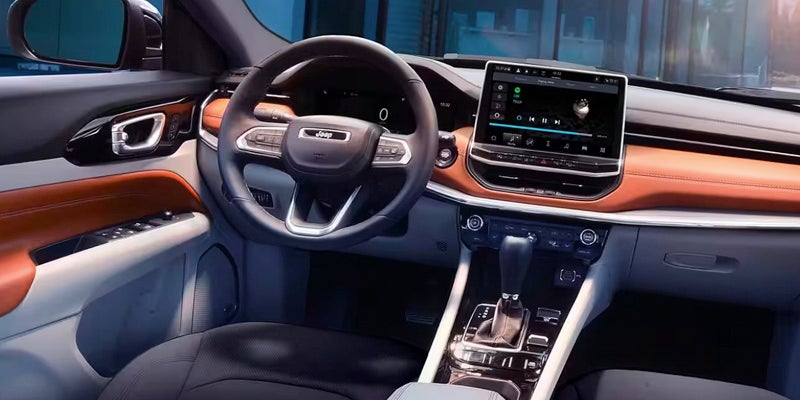
Interior Dashboard of a 2024 Jeep Compass in Marysville, OH

Preparing Your Jeep for Off-Road Adventures: Must-Have Checks and Upgrades

Whether you're driving a Compass or a Wrangler, your Jeep is rugged, though, and designed for off-road adventures. Before you embrace the open road, bring your vehicle in for a few essential Jeep maintenance checks here at your Marysville Jeep dealer. Off-Roading Jeep Maintenance Checks From Your Jeep Dealer Tires and Wheel Alignment For off-road adventures, your Jeep requires high-quality tires that are in perfect condition. If your model is equipped with all-season tires, consider swapping them for an all-terrain or mud-terrain option, depending on where you want to go. Make sure they are inflated correctly based on the tire's specifications and the terrain you want to drive on, as a puncture is the most likely thing to stop you in your tracks. Wheel alignment is also important, as it helps you prevent uneven tire wear when driving on rough trails. Moreover, misaligned wheels can cause imbalances, making it harder to maintain grip in dangerous driving conditions. more Check the Fluids Each Jeep model uses a variety of fluids to lubricate, cool down, or operate various systems. To prevent your vehicle from breaking down out in the wild, check all the fluids before embarking on your adventure. The engine oil, transmission fluid, and brake fluid are the most important to check and replace, as they keep the vehicle's most hard-working parts in good order. However, you should also check and top up the windshield wiper fluid, the engine coolant, and the power steering fluid. Replace the Brake Pads Together with the brake fluid, the brake pads play a vital role in your braking system, stopping the wheels from spinning by applying friction on the wheel's rotor. To do that, they are covered with a friction material that wears off each time you apply the brakes. Setting off on an adventure with slightly worn brake pads means they could wear out when you need them the most, which is why you should replace them beforehand. Check the Battery A flat battery is another common reason for breakdowns when you're off-roading. Outdoor adventures take a toll on the battery as you might run off-road lights for improved visibility or power an external audio system. To avoid unpleasant surprises, we can check your battery to make sure it works at full capacity. We can also replace it with a heavy-duty battery for added peace of mind when powering demanding systems, such as spotlights or winches. Check Your Suspension For smooth rides on rough terrains, you should also check your Jeep's suspension system. Whether you want to tackle rocky trails or muddy swamps, we can tune your suspensions to better meet your destination's requirements. To make sure your Jeep is ready for adventures, contact us at Coughlin Marysville CDJR in Marysville, OH to schedule your maintenance appointment.

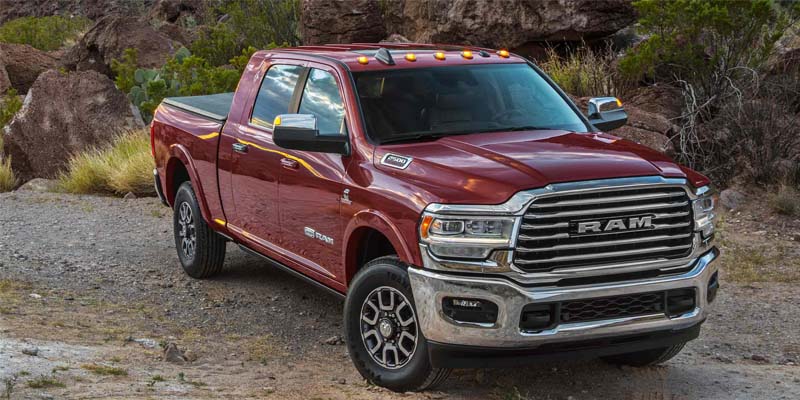
A Red 2024 RAM 2500 in Marysville, OH

Maximizing the Longevity of Your Ram Truck: Essential Care Tips

RAM trucks are built to tackle tough jobs, and they're also built to last a very long time with the right maintenance. Your RAM dealer isn't just where you can buy your next truck; it's also where you can get all of the essential RAM maintenance to keep that truck in the best shape possible. Maximizing the Longevity of Your Truck: Essential RAM Maintenance Tips from Your RAM Dealer Get Oil Changes It's important to do everything you can to prevent premature wear and keep your engine in good condition. Getting an oil change when needed is one of the simplest ways to do this. Most trucks need oil changes every 5,000 to 7,500 miles with a synthetic oil blend or 7,500 to 10,000 miles with fully synthetic oil. If you drive more than most people, or if you tow a lot, then you'll probably need to stop by for oil changes more often. You are always free to stop by if your oil level is low or if the oil in your truck is dirty. more Get Your Electrical System Checked The battery is the heart of your electrical system, so get your battery tested regularly to make sure it's in good condition. If it's not, then it's easy for your dealer to replace it. Other components in your electrical system, such as the wiring, should also be inspected regularly to make sure everything is in working order. Get Fluid Level Checks and Corrections Your motor oil isn't the only fluid that needs to be changed. Other fluids in your car, such as the transmission fluid and brake fluid, also need to be changed at different intervals. The levels should also be checked regularly so you know you're not driving with too little of any essential fluid in your car. Get the Brakes Inspected Get your braking system inspected annually, and get all required maintenance on it. This includes brake fluid changes as mentioned above, but it also includes getting new brake pads when the old ones wear out. Get the Fifth Wheel Platform Checked If your fifth wheel platform is in disrepair, then you won't be able to securely hook up your trailer. Keep the platform mechanism clean and check it for wear. Your dealer will also check this platform and replace any components that are faulty or worn down. Get Your Exterior Lighting Tested Your head and tail lights should be tested regularly to make sure they're not too dim. As the headlight and tail light bulbs wear out over time, they'll need to be replaced eventually. Keep an eye out for them flickering or getting dimmer, as those are signs that the lights are wearing out. Come to Coughlin Marysville Chrysler Jeep Dodge RAM in Marysville, OH for all the maintenance your truck needs. Get in touch at 937-303-5137.

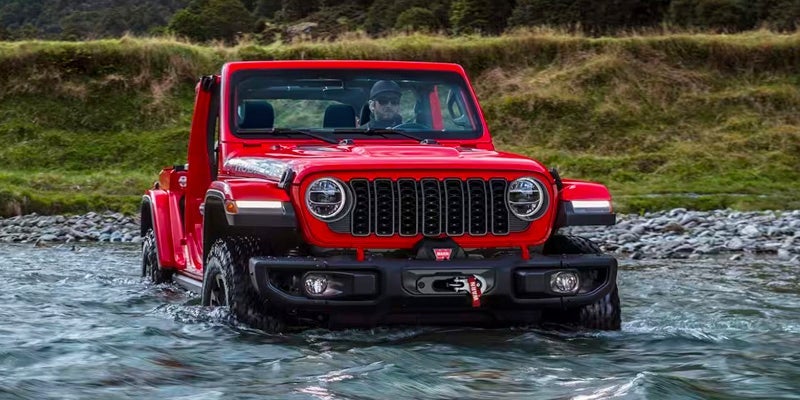
A red 2024 Jeep Wrangler driving through water

The Ultimate Maintenance Checklist for Your Jeep Adventure Vehicle

Your Jeep is tough, rugged, and strong, and it needs regular servicing to maintain these high standards. As your Jeep dealer, we provide a full range of services to keep your Jeep running at peak performance. These are a few examples of the Jeep maintenance we provide. Examples of Jeep Maintenance Available From Your Jeep Dealer Transmission Fluid Replacement After your engine, the transmission is the hardest working system in your Jeep. It converts the raw, chaotic energy from the engine into a carefully controlled power. A series of gears in the transmission transmits this power to your wheels to allow them to move at the desired speed. Transmission fluid supplies the hydraulic power that enables the gears to shift, cools hot transmission components, and provides friction protection to reduce component damage. Transmission fluid weakens over time and loses many of its special abilities. It becomes less effective at shifting the gears, and you could hear sounds like whining, buzzing, or humming. The fluid also loses its heat resistance and can burn. We can prevent all of these issues by replacing the fluid. We drain the old transmission fluid, replace the transmission filter, and refill the fluid. more Brake Pad Replacement Brake pads play a vital role in your braking system. They produce friction against the wheel rotors, and the friction forces the wheels to stop. The friction material covering a pad is 1/2" thick when it's new, but the material slowly wears off each time you apply the brakes. Once the material drops to 1/4" thick, the pad needs replacement. Pads have a built-in warning system to tell you they've worn down. Each pad has a metal spike buried inside the material. Once the material drops to 1/4" thick, the spike is revealed and scratches against the rotor when you brake. Once you hear a high-pitched sound from the brakes, it's time to visit us for a pad replacement. Our technicians can replace worn pads within minutes. Worn Wiring Almost every system in your vehicle depends on electricity, and this power flows from the alternator to the systems that require it via a network of wiring. Every wire in your vehicle is sheathed in thick insulation to protect it against water, dirt, and heat. Despite this protection, the wiring will age, and older wires become more likely to break. A broken wire causes several problems. It will cut off power to the system or systems that connect to it, and it can potentially cause an engine fire. Electricity continues to flow into the damaged wire, which heats up. If the wire gets hot enough, its protective insulation will burn, and this fire can spread. We can easily prevent this problem by testing and replacing any damaged wiring. Book your next service today. Contact us at Coughlin Marysville CDJR in Marysville, OH.

Vehicle oil change.

How Often Should Your CJDR Vehicle Get an Oil Change?

Do you remember the last time you brought your CDJR vehicle into your local Chrysler, Dodge, Jeep, or Ram dealer to get an oil change? If so, it is probably past time that you have a certified Chrysler mechanic put clean oil in your car. Today, we're looking at how often your oil should be changed and signs it needs to come in sooner. Below we'll dive into Oil Change tips and be sure to Schedule an Oil Change at Coughlin Marysville CJDR! Schedule an Oil Change at Coughlin Marysville CJDR Depending on the type of motor oil you use, the conditions you drive in, and other factors, you should generally have clean oil put in your car every 5,000 to 7,500 miles. If your oil is completely synthetic, you may be able to go 15,000 miles between service appointments safely. However, if you drive under severe conditions, you should change your oil more frequently. If you rarely drive your vehicle, a professional should change your oil annually. more What Are Severe Driving Conditions? Many driving conditions can be considered severe, including driving no more than five miles at a time and driving in extremely cold weather. Additionally, you will need to have your engine oil replaced more regularly if you drive in stop-and-go traffic regularly or often strain your motor by towing a trailer or hauling heavy loads. What Signs Should I Look for That Indicate a Service Appointment Is Necessary? One sign that a Chrysler mechanic may need to change your oil is an engine-related light illuminated on your dashboard. You should schedule a service appointment as soon as possible if you see a light indicating that you need to change your oil or if you see your check engine light on. If your check engine light is on, it is possible that you went so long without changing your oil that your motor is at risk of being damaged. Another sign that you should have a mechanic change your oil is seeing discolored oil. It is advisable to check your motor oil monthly, and if it is not semi-translucent amber, it is dirty and needs to be changed. Just keep in mind that you need to remove your dipstick from your oil reservoir, wipe it off, reinsert it, and pull it out again before you judge its color. Generally, you should have a qualified Chrysler mechanic change your oil every 5,000 to 7,500 miles. Under normal driving conditions with full synthetic oil, this can be extended to every 15,000 miles as long as your oil is changed at least once per year. If you can't remember the last time your oil was changed, schedule your service appointment now at Coughlin Marysville CJDR in Marysville, OH.

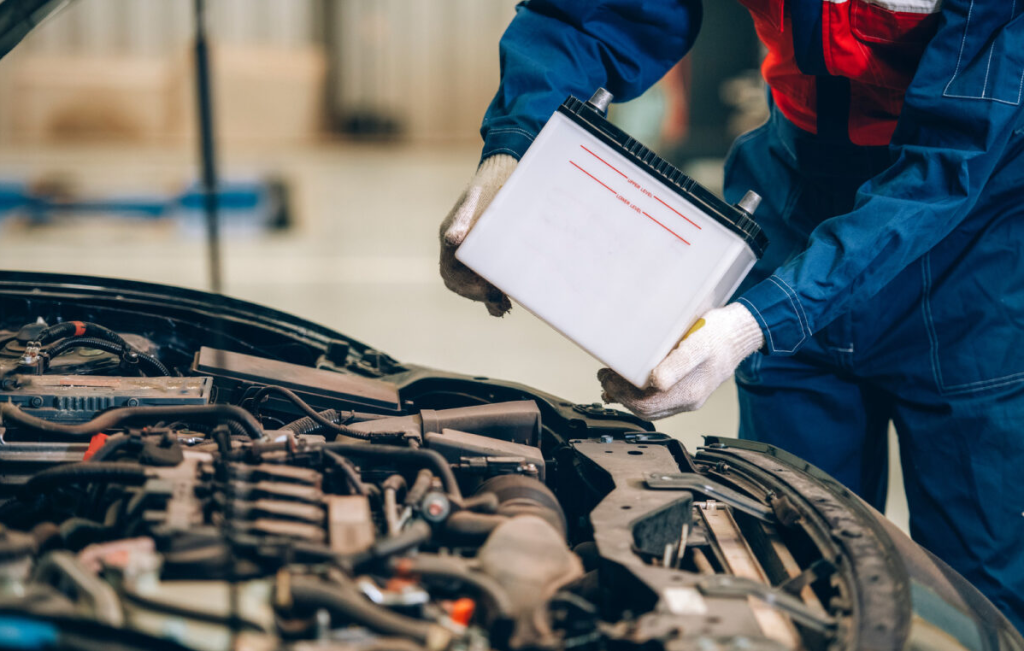
An auto repair technician replacing a car battery.

How to Tell When Your CDJR Vehicle Needs a New Car Battery

A well-functioning battery is essential to your vehicle's performance. The battery not only starts the engine, it also powers features like the air conditioning and navigation systems. That's why it's important to pay attention to the strength of your battery and replace it before it expires. Coughlin Marysville CJDR can easily handle this service, but how can you tell when it's time for a new car battery? Your Engine Is Slow To Turn Over If your car seems reluctant to start and requires a few tries to get going in the morning, your battery may be the reason. It requires considerable power to start your engine, and as the battery starts to decline, starting the vehicle will become increasingly difficult. A malfunctioning alternator, a worn-out starter, and bad wiring could also be at play, and our service department can check each of those things out before replacing your battery. more Your Headlights Dim When Idling If your headlights have started to dim when your vehicle is idling, and then brighten again as you accelerate, that's a sign that your battery isn't holding as strong of a charge any longer. In addition to the headlights, your battery also powers a host of other features on your vehicle, including power windows, the stereo, interior and dashboard lights, the windshield wipers, and more. The sluggish performance of any of these features may indicate battery trouble. Your Battery Has Excessive Corrosion When you pop the hood and look at your battery, can you see powdery white corrosion on the connection points? A little corrosion is normal, but excessive corrosion can impact the performance of the battery. Corrosion can easily be cleaned off the battery, but if you have to clear a significant amount of corrosion away, it's smart to then have the battery checked to make sure it's performing as it should. Your Battery Case Is Bulging In addition to excessive corrosion, another visual cue of a declining battery is a bulging battery case. When the battery case starts to bulge, it usually means the cells inside are close to rupture, which can lead to fire. If you notice bulging, you'll want to schedule time to have a replacement battery installed right away. Your Battery Smells Like Rotten Eggs Batteries that smell bad are often emitting sulfuric acid, which tends to happen when the battery is dying. Sulfuric acid can cause damage to your vehicle, so you'll want to replace a smelly battery right away. Having a new battery installed is a simple service that can often be performed in about an hour. When you're ready to schedule your next battery service, call Coughlin Marysville CJDR.

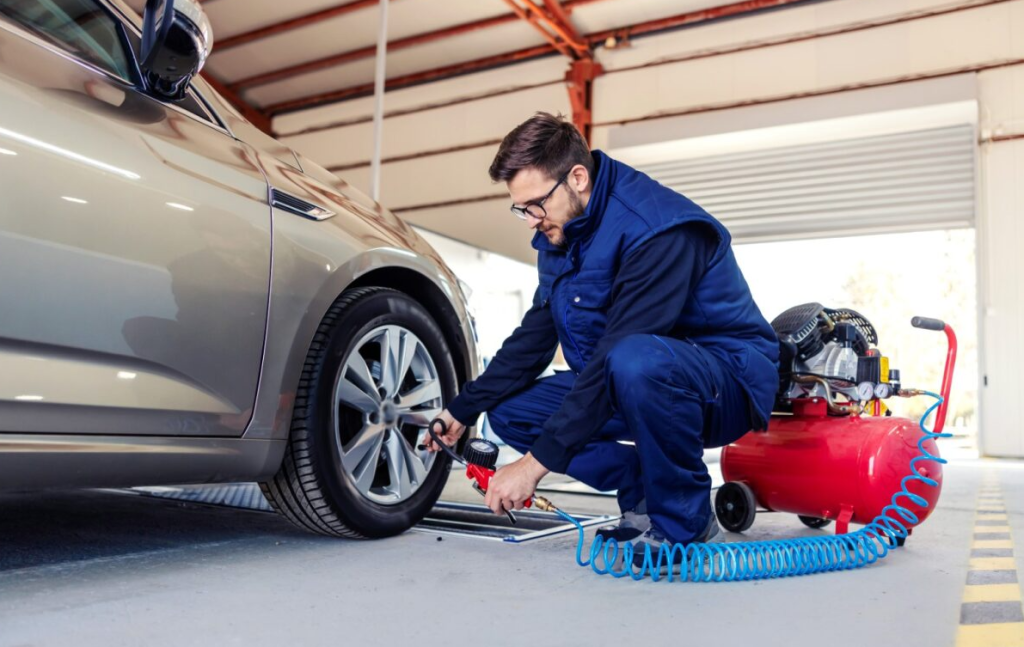
An auto repair service technician fixing tires.

Does Your Chrysler, Jeep, Dodge or RAM Need New Tires?

Tires need to be in good shape to ensure you keep moving safely and efficiently. Wondering if it's time for new tires from the Chrysler dealer? Let's take a look at some signs. You're Losing Air Pressure Let's start with a sneaky little sign that something is wrong with your tires: losing air pressure. If you find yourself frequently inflating your tires, this could be a hint that they are slowly giving up. Consistently low tire pressure is often a sign of a slow leak, which could be due to a puncture or a problem with the tire valve. more The Age Factor The age of your tires is easy to overlook, but tires age like any other component, and, with time, they lose their elasticity and effectiveness. Most tire manufacturers recommend getting a new set of tires every six years, regardless of how good they look on the outside. Older tires can fail unexpectedly, so it's better to be safe than sorry. Vibration and Unwanted Rumbling Have you been feeling more vibration than usual while driving, especially on roads that should be smooth? This could be your vehicle telling you that the tires are unbalanced or damaged. Excessive vibration can also indicate misalignment or internal tire issues. Cracks and Cuts Next time you're up close and personal with your tires, check for cracks, cuts, or grooves in the sidewall. These might seem like minor issues, but they can lead to air leaks or, worse, a tire blowout. Bulges and Blisters Bulges and blisters on the tire surface are like warning bumps on the road. They signal that something is wrong underneath. These weak spots can lead to sudden blowouts, which are as dangerous as they sound. Damage of this type is a red flag, and these tires should be replaced immediately. Tread Depth Here's a classic test that never goes out of style: the penny test. Insert a penny into the tread groove with Lincoln's head facing down. If you can see the top of Lincoln's head, it's time to bid those tires farewell. Tire tread is essential for proper traction, so balding tires need to be replaced as soon as possible. Pick Up New Tires at the Chrysler Dealer If you notice any of these signs, consider it a nudge to visit your local dealership. Getting a new set of tires is more than a maintenance task, it's an investment in your vehicle's health and your peace of mind. Keep those tires in top condition to continue enjoying the journey in your beloved vehicle. Call Coughlin Marysville Chrysler Jeep Dodge RAM to have your tires inspected today.

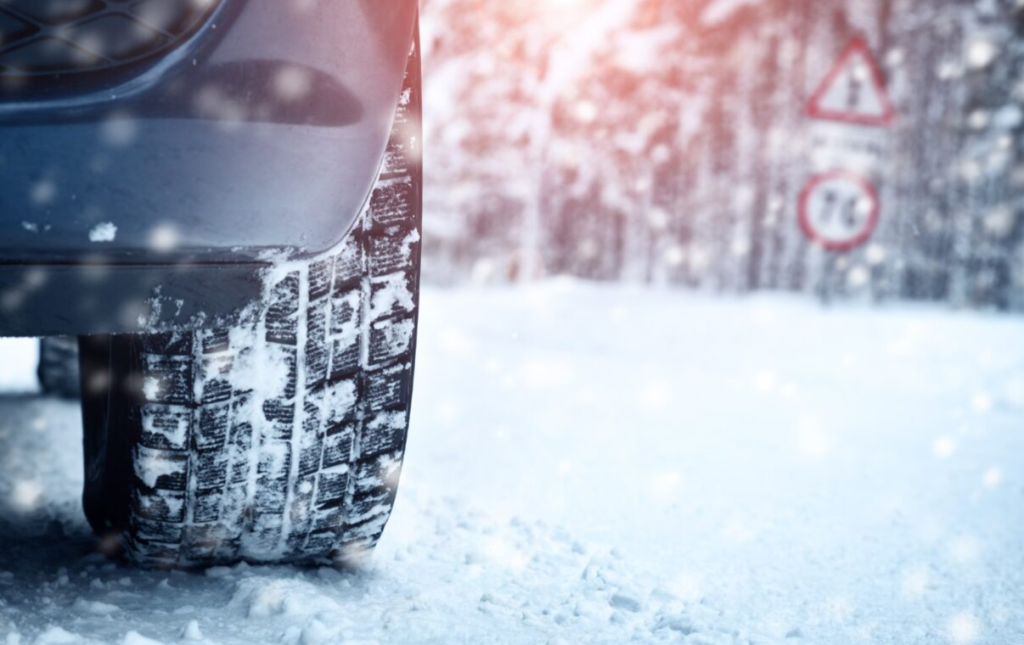
Winter tires.

4 Benefits of Getting a Tire Rotation at Coughlin Marysville CJDR

When it comes to maintaining your vehicle, regular tire rotations should be at the top of your maintenance checklist. It plays a significant role in extending the life of your tires, improving vehicle safety, and even saving you money. Here's why you should get your tires rotated at your Chrysler dealer. 1. Increased Tire Lifespan Tires are not cheap, and most vehicle owners want to maximize their investment by extending the life of their tires as much as possible. One of the main benefits of regularly rotating your tires is that it helps to distribute the wear and tear more evenly across all four tires. Each tire position on your vehicle experiences different stresses and wear patterns. For example, front tires usually bear more weight and wear down faster than the rear ones. By rotating the tires regularly, you ensure that they wear down more evenly, which ultimately helps them to last longer. more 2. Improved Vehicle Performance Tires that wear down unevenly can lead to various performance issues. You may notice that your vehicle vibrates at certain speeds or that the steering feels less responsive. These issues can be resolved, and future problems can be prevented, by rotating the tires regularly. When all four tires wear down evenly, it helps to maintain the balance of your vehicle, ensuring a smoother ride and more responsive handling. 3. Enhanced Safety Your vehicle's tires play a crucial role in safety while driving. Tires that are worn unevenly can affect your car's stability and traction, particularly in bad weather. By making sure that all four tires have even tread depth, you can keep your car safer while driving, either on the road or off. 4. Better Fuel Efficiency Did you know that uneven tire wear can lead to reduced fuel efficiency? When your tires are not rotated regularly, it can lead to increased rolling resistance, which means that your engine has to work harder to move the vehicle. This results in reduced fuel efficiency. Regularly rotating your tires helps you maintain optimal fuel efficiency, saving you money at the gas pump. Rotate Your Tires at Coughlin Marysville CJDR Getting your tires rotated comes with a host of benefits that extend beyond simply extending the life of your tires. From improved vehicle performance and improved safety to better fuel efficiency, the advantages are clear. Plus, by choosing to have this service performed by the dealership, you can trust that your vehicle is in the hands of experts who are specifically trained to work on your vehicle. Don't overlook this important maintenance task. Schedule a tire service at Coughlin Marysville Chrysler Jeep Dodge RAM today to keep your car running right.

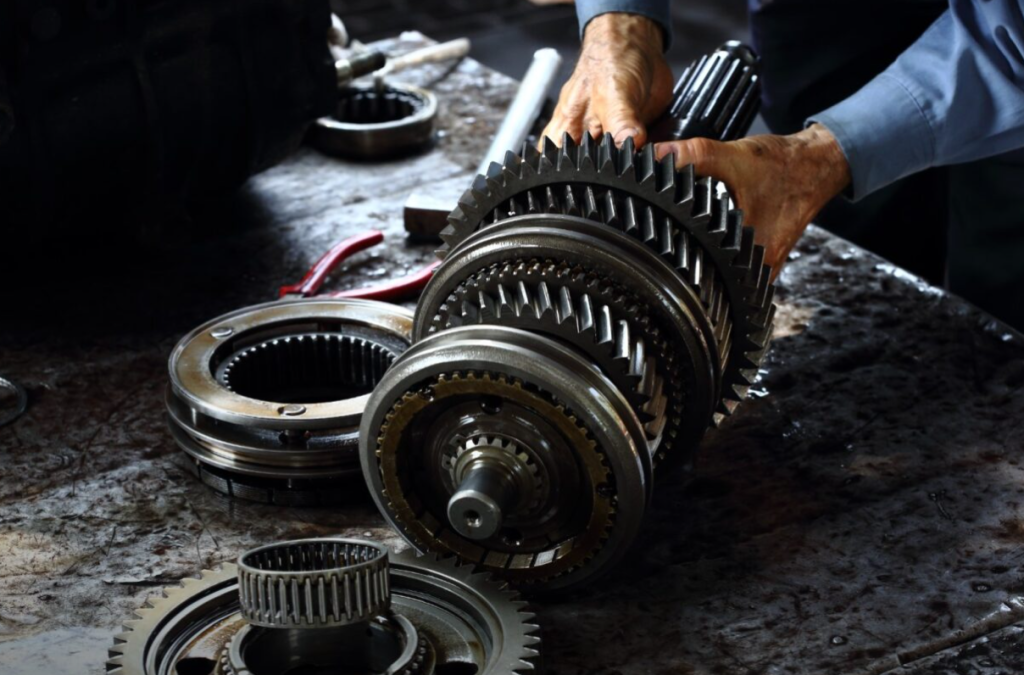
Vehicle transmission.

5 Signs Your Chrysler, Jeep, Dodge or RAM Needs a Transmission Repair

The transmission is one of the most integral systems in your Chrysler, Jeep, Dodge, or RAM vehicle. It transfers engine power to the wheels through a series of gears, clutches, and computers. If your transmission is failing, you should visit Coughlin Marysville CJDR immediately for a diagnosis. Let's look at the signs your vehicle needs transmission repair. 1. Unusual Noises When Shifting Gears If you hear clunking, grinding, or other odd noises when your car is shifting gears, it could indicate transmission problems. Clunking is most likely caused by worn or damaged transmission mounts or broken springs, bearings, clutches, drums, or gears. Grinding noises signal heavy friction between gears due to a lack of lubrication. This is caused by low or old transmission fluid. The noises could also mean the gears aren't meshing properly due to damaged clutches or synchronizers. The only way to be sure is to get the transmission diagnosed by a dealer technician. more 2. Sluggish Response or No Engagement If you notice your vehicle's transmission is responding sluggishly or failing to engage gears as you accelerate, something is wrong in the system. Various things can cause this problem, such as low transmission fluid, a faulty solenoid, or a defective valve body. It can even be something as simple as a loose or damaged wire in the system. Whatever the case, it's crucial to get the transmission checked before the problem worsens. 3. Abnormal Shifting Has your transmission been shifting erratically or unpredictably? Signs of abnormal shifting include sudden jerking motions, slipping gears, or strange surges of power when the gears are shifting. These issues indicate internal wear and tear on transmission components. Get the vehicle checked out by a certified technician to restore smooth shifting and prevent further transmission damage. 4. Burning Smell A burning smell coming from your transmission means the transmission fluid is overheating. This is often caused by low fluid levels, which prevent proper cooling and lubrication. Degraded, old transmission fluid can also cause overheating as it loses effectiveness. Get the fluid levels checked immediately to prevent damage to the internal transmission components. 5. Car Noisy in Neutral Put your transmission in neutral and listen for unusual whining or humming noises. If the car is noisy, there could be abnormal wear on the torque converter and pump components. The noise could also be caused by low transmission fluid, so it's best to get the system checked by an expert. A minor transmission defect could turn into a major problem if left unresolved. If you notice these signs, contact Coughlin Marysville CJDR to schedule professional repairs.

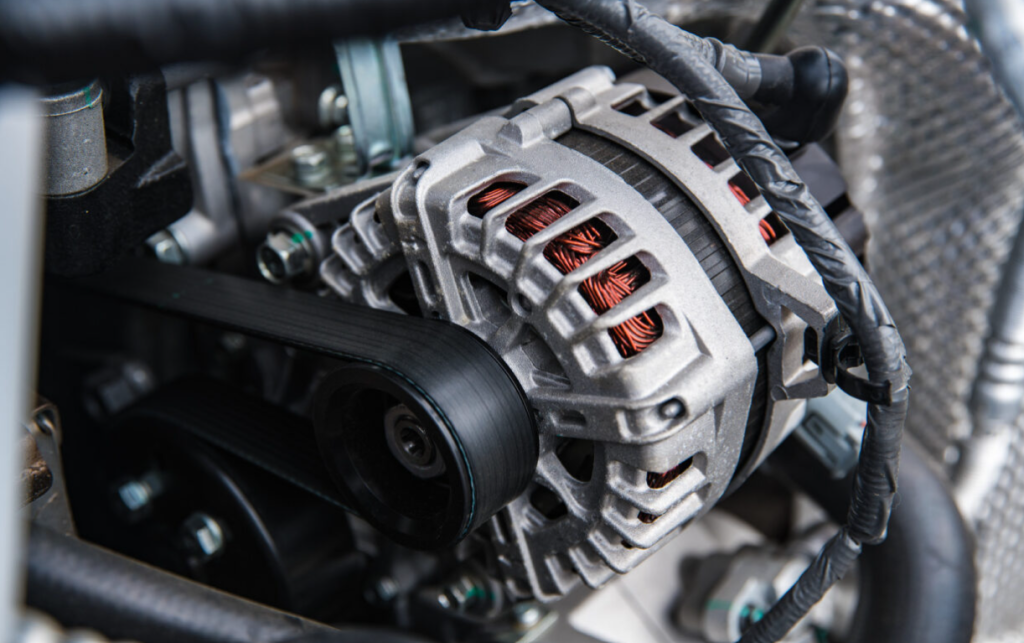
Vehicle alternator.

3 Signs Your Chrysler, Dodge, Jeep or RAM Needs an Alternator Repair

Cars depend on electricity more than ever before. Electricity powers safety equipment, the AC, and numerous other vital systems. The alternator in your Chrysler produces the electricity that allows all these systems to function, and, in time, the alternator will become damaged or fail, and you'll need to visit your friendly s e r v i c e t e c h n i c i a n a t C o u g h l i n M a r y s v i l l e C J D R for an alternator repair. Recognizing 3 Indications for Alternator Repair Dead Battery A car battery will usually work efficiently for three to five years and then will need replacement. Almost every driver has felt the sinking feeling of trying to start their car and discovering the battery is dead. In many cases, the battery has failed due to age and wear. It is also possible that a battery can fail due to a weakening alternator. The alternator's primary function is to produce electricity, but it's also responsible for recharging the battery. If the alternator is wearing out, it can't produce the level of power that it once did. The reduced electricity supply will affect every system in your car. The failing alternator won't recharge the battery sufficiently, and this causes the battery to fail. We can test the alternator and replace it if necessary. more Burning Wiring If you look in your engine compartment, you'll see numerous wires and cables. These wires and cables are only the tip of the iceberg in a vast network of wiring that spreads throughout your car. These wires and cables carry electricity from the alternator to every system that requires it. Each wire and cable is securely wrapped in heat-resistant insulation to protect it from damage. The best protection in the world can't prevent wiring from aging. Older wiring becomes brittle, and this can cause it to break. A break in a wire automatically cuts off power to the electrical systems it's connected to. Electricity will continue to flow down a broken wire, and this causes the wire to heat up and its protective insulation can start burning. If you smell burning insulation, we will trace the affected wiring and replace it to fix this problem. Damaged Bearings An alternator spins at high speed to produce magnetic energy, which is refined into DC for your car's electrical system. The alternator's fast spinning action is possible due to strong bearings that enable it to move at the desired speed. Constant high-speed movement can eventually cause a bearing to break. If an alternator bearing breaks, you'll hear strange grinding or clunking noises. A damaged bearing reduces the alternator's speed, which slows down electrical production. The lack of electricity will lead to electrical glitches and slow-working systems and accessories. We'll examine the bearings, and we can quickly replace any damaged ones. If you experience any problem with your alternator, call our service department right away at Coughlin CDJR.

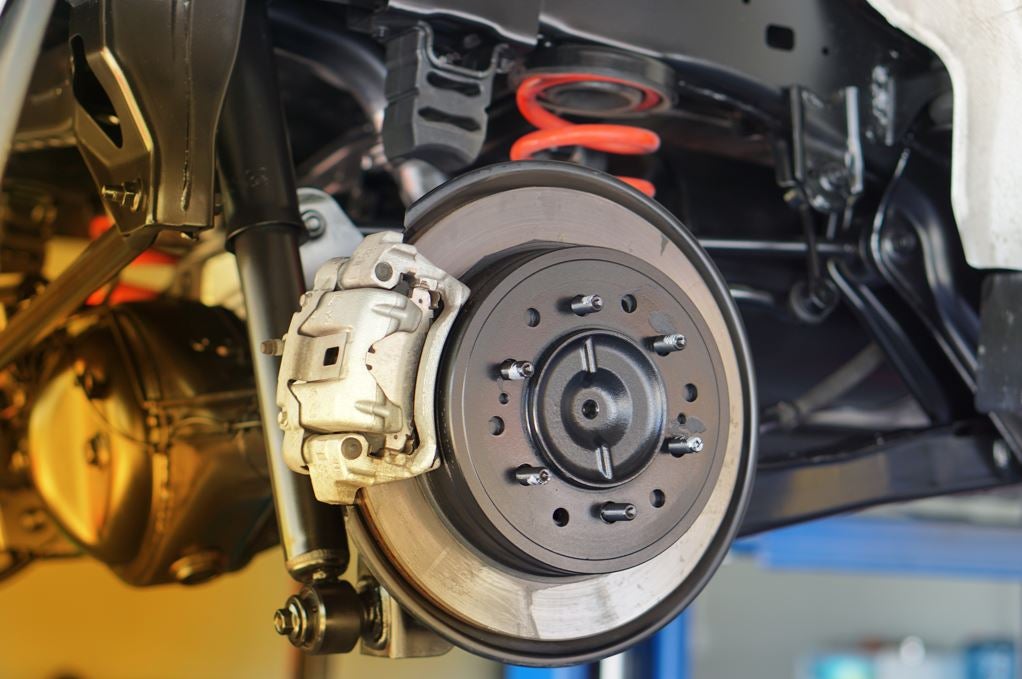
Closeup image of brakes on a car.

How to Tell When Your Car Needs a Brake Repair

Of all the sophisticated safety features in a modern Chrysler, the most important is your braking mechanism. As remarkably reliable as Chrysler's brakes are, they still need to be looked after diligently. Apart from regular servicing visits, pay heed to these four indications of brake problems. If you notice any of them, visit your nearest Chrysler dealer for brake repair without delay. Fading Brake Strength When used excessively, even the highest quality brakes can start to overheat. And overheating brakes create the danger of brake fade. Brake fade is a curious phenomenon where a tiny bit of gas escapes the melting resin in brake pads. This gas creates a microscopic layer over the pads, which reduces the friction between the pad and the rotor. As a result, your car won't slow down as quickly as it should. more Conditions That Cause Brake Fade Some driving conditions require a lot of continual braking, which can lead to brake fade. Mountainous terrain with long downhill stretches poses such a threat, as does hilly terrain with lots of winding roads and sharp corners. Commuters also need to be wary of long periods stuck in stop-and-go traffic, which demands constant braking. If your car is made heavier by lots of cargo or towing a trailer, this extra weight also puts more strain on your brakes. When to Visit Your Chrysler Dealer If you notice brake fade early and pull over at once, it might not develop into a serious problem. Once your brakes have cooled down, carefully test them to see if their normal function has returned. If the problem persists, you'll need to have a technician take a look. Vibrating Rotor Discs Overheating brakes can rapidly lead to damaged rotor discs. This happens when brake pads score the heated, softened rotor surface. The melting resin in pads can also sometimes coat the discs. In either case of rotor damage, you'll feel odd vibrations through the brake pedal. This vibrating means you need to have at least one rotor resurfaced or replaced. Squeaking Brake Pads Brake pads can be expected to last up to 30,000 miles. When they wear down too far, a high-pitched squeaking sound is created. This noise is an intentional warning that it's time for a new pad. Leaking Brake Fluid The most imminently dangerous brake problem is leaking brake fluid. If your brakes ever feel spongy underfoot, pull over immediately. This spongy feeling usually indicates that your brake hoses have sprung a leak, letting fluid and air in. You can check for yellow fluid pooling under your car or coating your brake hoses. With a leak, your brake fluid and hoses are no longer maintaining the high hydraulic pressure necessary to stop your car. Visit Coughlin Marysville CJDR today to have your brakes examined and repaired.

Contact Us

Fill out this form below and we'll contact you shortly
*Required Fields