




What Is a Negative Equity Car Loan?
A negative equity car loan occurs when you owe more on your vehicle loan than the car is worth. This situation, often referred to as being “upside down on a car loan,” can happen for several reasons, including rapid vehicle depreciation or financing with a low down payment. For example, if your car is valued at $20,000 but you owe $25,000 on your loan, you have $5,000 in negative equity.
Drivers in Marysville, OH, may find themselves in this position due to various factors such as high-interest rates or extended loan terms. Understanding how negative equity works is the first step toward managing it effectively.
Causes of Negative Equity in Car Loans
Depreciation and Loan Terms
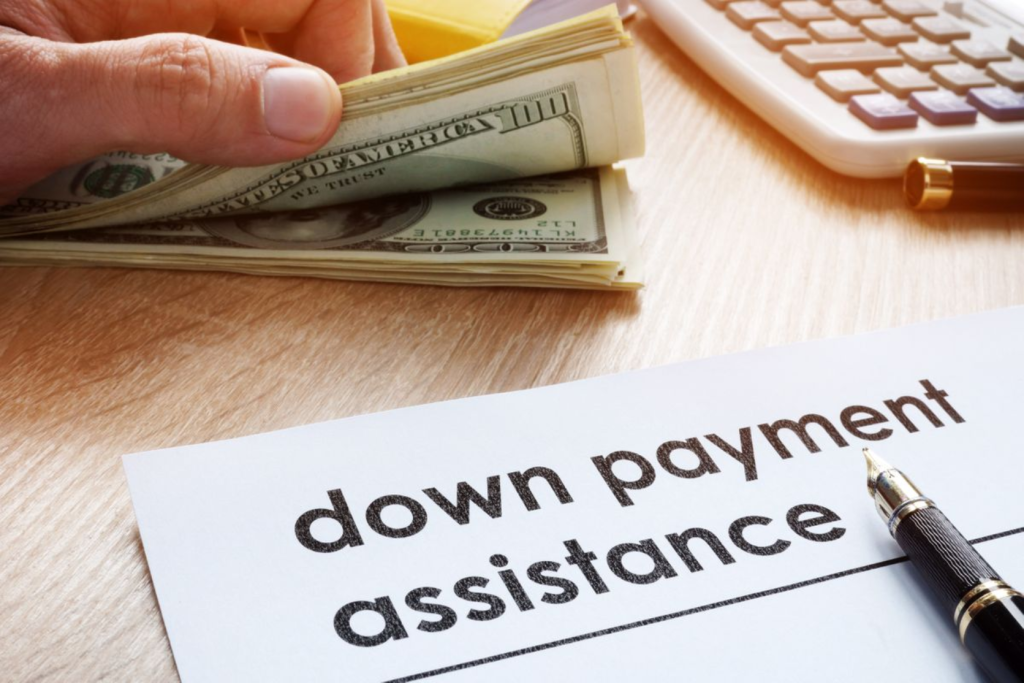
One of the primary causes of negative equity is vehicle depreciation. Most cars lose a significant portion of their value within the first few years of ownership. If your loan terms are long or you made a minimal down payment, your loan balance may not decrease as quickly as the car’s value drops.
Financing Choices
Financing decisions also play a significant role. Rolling over existing debt into a new loan or opting for a low-interest rate with minimal upfront costs can lead to negative equity. It’s essential to carefully evaluate financing options to avoid becoming upside down on a car loan.
Upside Down on a Car Loan: What to Do
If you find yourself upside down on a car loan, there are several strategies to consider:
- Continue Making Payments: The simplest approach is to keep paying down the loan until the balance matches or falls below the car’s value.
- Refinance Your Loan: Refinancing can help lower your interest rate or adjust your terms, making it easier to pay off the negative equity.
- Trade-In Your Vehicle: Trading in your car for a more affordable option can help reduce your debt, though you may need to cover the difference between the trade-in value and the loan balance.
- Sell Your Car Privately: Selling privately often yields a higher price than trading in, which can help offset the negative equity.
Residents of Marysville, OH, should consult with their local dealership or financial advisor to determine the best course of action based on their unique situation.
How Ram Trucks Can Help Reduce Negative Equity Risks
Ram Trucks offer robust warranties and competitive financing options that can help mitigate the risks of negative equity. For instance, their 10-year/100,000-mile limited powertrain warranty provides long-term value and peace of mind for buyers. Additionally, Ram’s lineup includes durable and high-resale-value models like the Ram 1500 and Ram 2500, which can help retain equity over time.
By choosing a reliable vehicle with strong resale potential and carefully managing financing terms, drivers in Marysville, OH, can reduce the likelihood of ending up upside down on a car loan.
Negative equity car loans can be challenging, but understanding the causes and solutions can help you regain control of your finances. Whether you’re continuing payments, refinancing, or trading in your vehicle, there are options available to address this issue effectively.
For drivers in Marysville, OH, exploring high-value vehicles like Ram Trucks and consulting with experts at Coughlin Marysville CDJR can make all the difference in managing negative equity and making informed decisions about your next vehicle purchase.
Connect with us


- June 2026
- May 2026
- April 2026
- March 2026
- February 2026
- January 2026
- December 2025
- November 2025
- October 2025
- September 2025
- August 2025
- July 2025
- June 2025
- May 2025
- April 2025
- March 2025
- February 2025
- January 2025
- December 2024
- November 2024
- October 2024
- September 2024
- August 2024
- July 2024
- June 2024
- May 2024
- April 2024
- March 2024
- February 2024
- January 2024
- December 2023
- November 2023
- October 2023
- September 2023
- August 2023
- July 2023
- June 2023
- May 2023
- April 2023
- March 2023
- February 2023
- January 2023
- December 2022
- November 2022
- October 2022
- September 2022
- August 2022
- July 2022
- June 2022
- May 2022
- April 2022
- March 2022
- February 2022
Archives
- 2024 Chrysler Jeep Dodge Ram Models in Marysville, OH
- 2025 Chrysler Models
- 2025 Dodge Models
- 2025 Jeep Models
- 2025 RAM Models
- 2025 Wagoneer
- 2026 Jeep Compass
- 2026 Jeep Models
- 2026 RAM 1500
- 2026 RAM Models
- 2026 RAM Truck
- AgPack Benefits
- Auto Repair in Marysville, OH
- CDJR Dealer Columbus OH
- Certified Agriculture Dealership Marysville OH
- Chrysler Dealer in Marysville, OH
- Chrysler Dodge Jeep RAM Dealer Marysville OH
- Chrysler Jeep Dodge Ram Dealer in Marysville, OH
- Chrysler Voyager
- Coughlin Marysville CJDR Service & Maintenance
- Dodge Charger Daytona EV
- Dodge Dealer Marysville, OH
- Dodge Engine
- Dodge SRT
- Equity Car Loan
- Farmer Trucks
- Farmer Vehicle
- Farming Trucks
- Jeep Dealer in Marysville, OH
- Jeep Gladiator
- Jeep Trim Levels
- Jeep Wrangler
- Jeep Wrangler 4xe
- Marysville, OH Community
- MOPAR Parts
- Off-Road Jeeps
- RAM 1500
- RAM 1500 vs 2500 vs 3500
- RAM Dealer in Marysville, OH
- Ram Dealer Marysville, OH
- RAM eTorque Mild Hybrid System
- RAM Trucks Dealer in Marysville, OH
- Ram Trucks Dealer in Marysville, OH\
- Things to Do in Marysville, OH
- Trims and Features
- Uncategorized
- Used Chrysler Marysville OH
- Used Dodge Marysville OH
- Used Jeep Marysville OH
- Used RAM Marysville OH
- Vehicle Financing Marysville, OH
- Wagoneer S
- Work Trucks and Vans